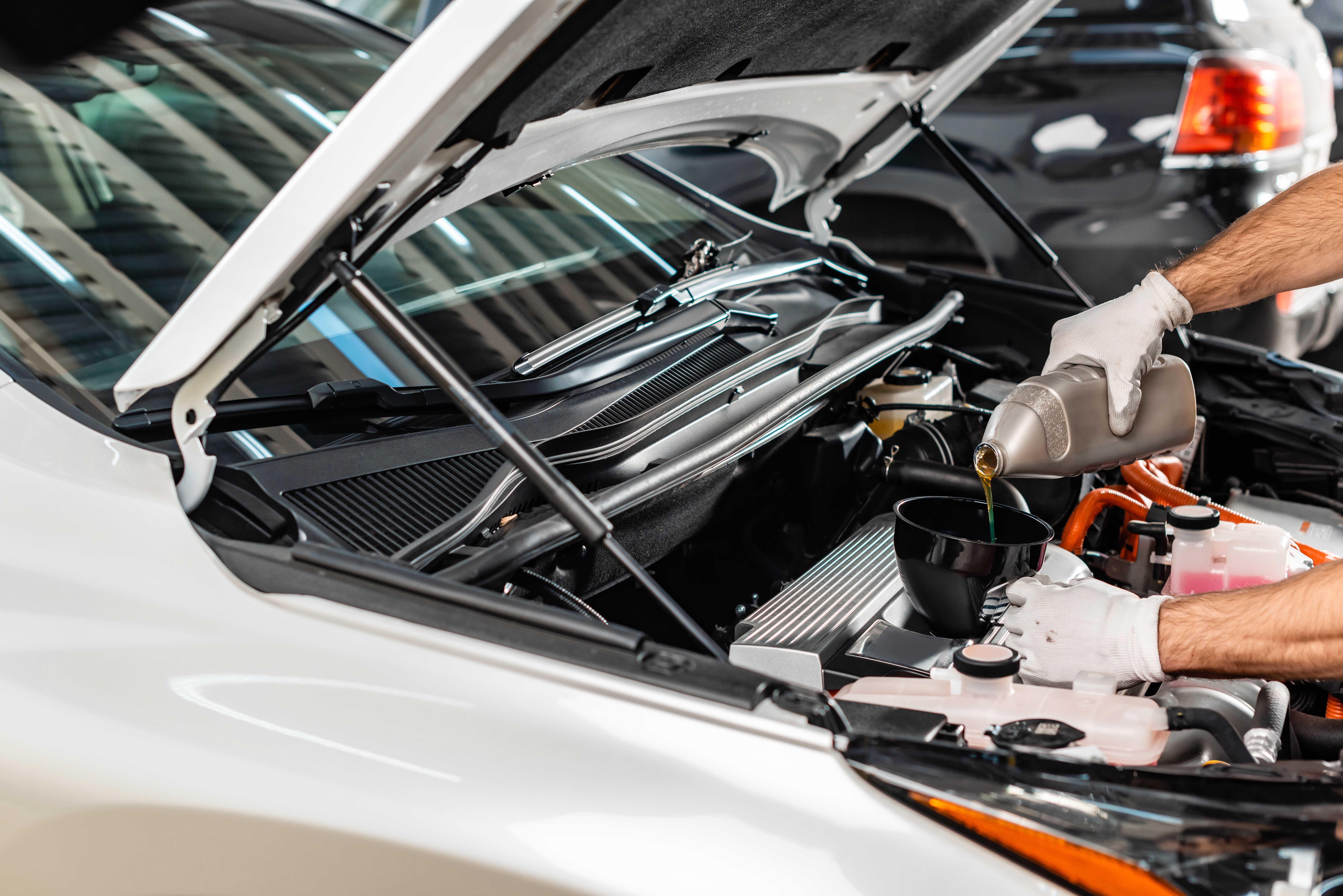
Will non-E20 complaint vehicles need retrofitting to safeguard against wear and tear due to the increased percentage of ethanol? That's a question and discussion point amongst car and bike owners since the introduction of the upgraded petrol in the country.
Union Road Transport and Highways Minister Nitin Gadkari has cleared the air over E20 fuel and cited its non-detrimental nature towards vehicle wear and tear.
Gadkari assured about the safety of the use of E20 fuel responding to a question raised by TMC MP Jagadish Chandra Barma Basunia in Lok Sabha from West Bengal on Dec. 11 regarding the safety and compatibility of vehicles using ethanol-mixed petrol.
Gadkari referred to recent research and recommendations from the Automotive Research Association of India (ARAI), Indian Oil Corporation Limited (IOCL) and the Society of Indian Automobile Manufacturers (SIAM). He said that, according to these studies, “there would be no requirement for a phase out or retrofit” of vehicles that may not fully comply with E20 standards.
He added that “during the routine servicing regime of the vehicle” normal wear and tear arising from the use of E20 fuel can be “managed.”
Ethanol-Blended Fuel: Will Non-E20 Cars Be Phased Out? Nitin Gadkari ClarifiesBasunia, while raising the question, sought to know whether the authorities intended to bring in a phase-out or retrofit programme for vehicles that could not conform to the standards. Gadkari's reply confirmed that this was not necessary at this juncture, provided the standard schedules of maintenance are followed.
The minister's statement aims to address public concerns and provide confidence to vehicle owners as India moves towards wider adoption of ethanol-blended fuels in a bid to reduce carbon emissions and promote cleaner energy.
Vehicle Certification And Labelling
Basunia also asked if the government had “prescribed clear norms mandating vehicle manufacturers to label or certify models as E10 or E20 fuel compatible,” and whether this information was publicly accessible.
Gadkari said that the responsibility lies with the vehicle manufacturers, who are required to indicate the ethanol blend compatibility on the vehicle through a “clearly visible sticker.” This would ensure that consumers are informed about the appropriate fuel for their vehicles.
E20 Leads To Marginal Drop In Mileage, But Overall Gains For Nation Outweigh It, Say Auto, Oil IndustryE20 Compliance And Safety Standards
On questions regarding the number of vehicles not compliant with E20 standards, Gadkari said that vehicles sold before April 1, 2023, “were compliant with E10,” while those sold after that date “are E20 material compliant.”
He added, “Safety standards for E20 are well established through BIS specifications and Automotive Industry Standards (AIS).”
According to Gadkari, parameters such as “driveability, startability, metal compatibility and plastic compatibility” show no issues, further reassuring vehicle owners about the new fuel blend.
Ethanol-Blended Fuel: Vehicle Damaged? Nitin Gadkari Addresses Concerns And CompensationEssential Business Intelligence, Continuous LIVE TV, Sharp Market Insights, Practical Personal Finance Advice and Latest Stories — On NDTV Profit.