The government's recent support measures, including the increased allocation of free foodgrain, could push the fiscal deficit for FY22 a little above the budget estimate of 6.8% of Gross Domestic Product, said economists.
Just like at the time of the first wave of Covid-19 infections, this time too the government has mostly relied on credit guarantee support to help stressed sectors. While these guarantees will not immediately add to the government's expenses, other provisions, particularly, the expanded food transfer scheme will.
Food transfers were extended until Diwali in June but reiterated as part of the relief package announced by the government on Monday.
Also Read: Government Expands Emergency Credit Scheme; Provides Relief To Micro Borrowers
Here's what economists said a day after new measures were announced...
Nomura
While the headline fiscal package of Rs 6.3 lakh crore (2.8% of GDP) appears large, the net cash outgo is much smaller at Rs 1.3 lakh crore (~0.6% of GDP) in FY22.
Revises its FY22 fiscal deficit forecast to 7.1% of GDP versus the budget target of 6.8% of GDP.
Keeping yields low in an environment of fiscal slip and rising inflation are likely to make for difficult policy choices for the Reserve Bank of India. “We maintain that policy normalisation is likely to begin in Q4 2021 (October-December).”
Deutsche Bank
The nature of the economic support measures indicates that the government's fiscal headroom remains stretched.
Even with the relatively modest fiscal support measures announced thus far and given the potential risks of some revenue slippage on the disinvestments front, the FY22 fiscal deficit of the central government could end up rising closer to 7.5% of GDP versus the target of 6.8%.
Bond market sentiment has already soured after the higher-than-anticipated CPI print in May (6.3%yoy) – and further risks of outsized additional market borrowing to fund a higher fiscal deficit would only make matters worse and complicate the RBI's monetary policy action.
SBI Economic Research
The fiscal impact of announcements made on Monday and earlier is not linear as substantial portion of the package is contingent liabilities.
Ignoring these, the immediate impact will be slightly more than Rs 1.23 lakh crore, which will be around 0.6% of the GDP.
IDFC First Bank Research
Estimates the actual additional fiscal cost at Rs 96,300 crore (or 0.4% of GDP).
The focus of the measures is to encourage credit flow to affected sectors such as MSMEs, healthcare, tourism and MFIs via loan guarantees.
The credit guarantees combined with the on-tap liquidity windows announced by the RBI earlier for healthcare and contact intensive sectors is likely to support credit flow.
In terms of impact on growth, Monday's measures remain supply-side driven and will be effective once restrictions are eased and economic activity picks-up.
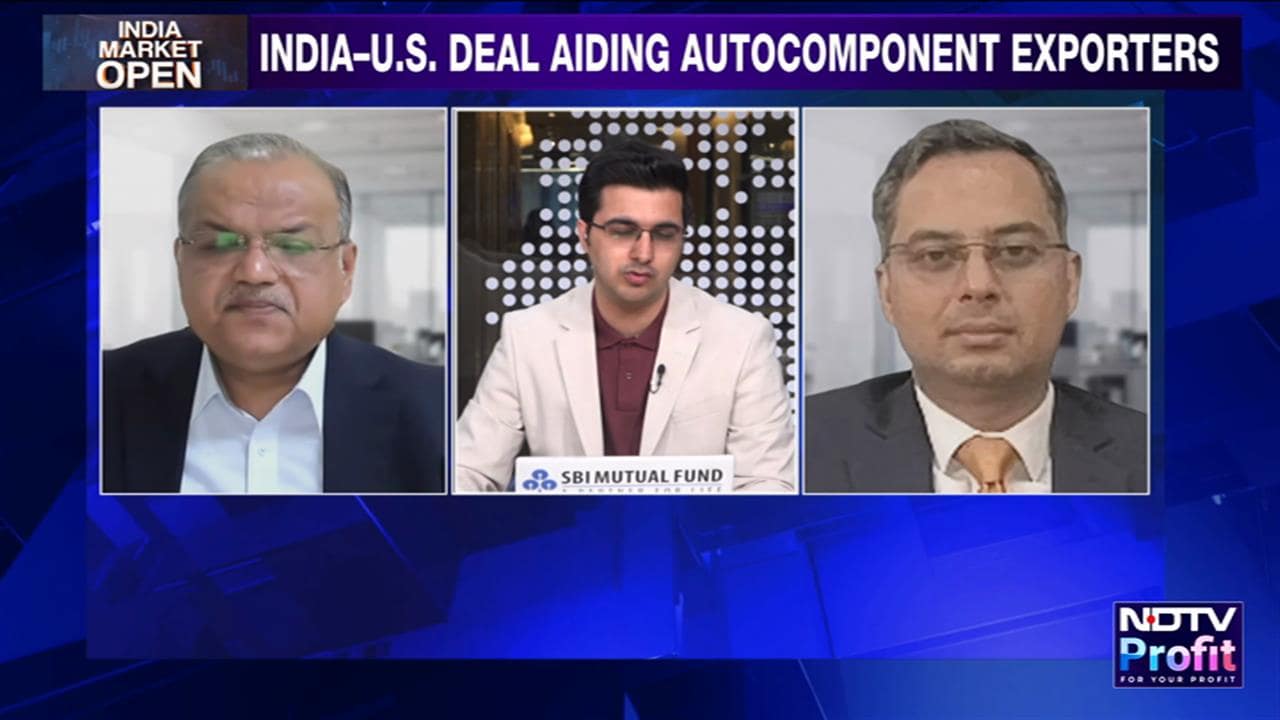
Watch a discussion on the impact of the government's newest set of measures with CARE Ratings' Madan Sabnavis and ICRA's Aditi Nayar:
Essential Business Intelligence, Continuous LIVE TV, Sharp Market Insights, Practical Personal Finance Advice and Latest Stories — On NDTV Profit.