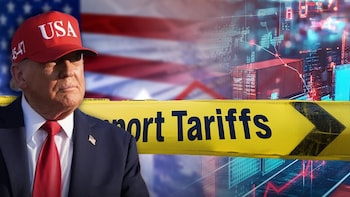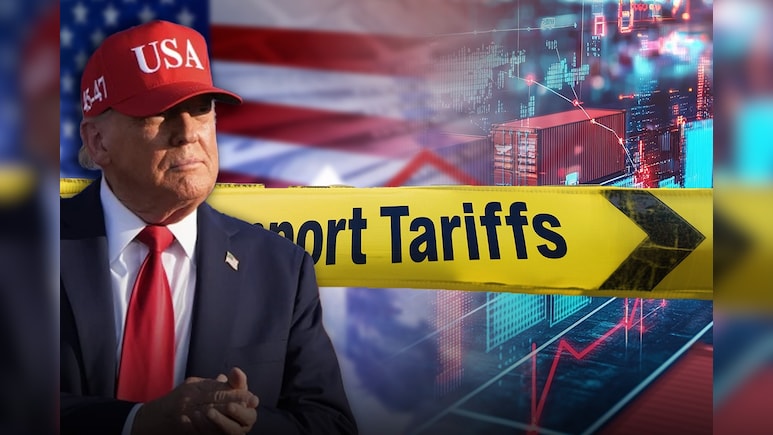
The Supreme Court of the United States on Friday has struck down a series of tariffs imposed under the International Emergency Economic Powers Act (IEEPA), ruling that the statute does not authorise the President to levy broad import duties. The judgment curtails the use of emergency powers for tariff policy, while making clear that other trade laws remain available to the executive branch.
At the heart of the case was whether IEEPA, a law designed to give presidents authority to respond to unusual and extraordinary foreign threats, could be used to impose sweeping tariffs. The Court held that it could not. In its view, IEEPA does not expressly provide for the imposition of tariffs, nor does it clearly delegate such taxing authority from Congress to the President. Because tariffs function as duties on imports, effectively taxes, the Court found that explicit congressional authorisation would be required.
However, the ruling does not block the use of tariffs altogether. The justices stressed that their decision was confined to IEEPA and did not affect other statutory frameworks under which tariffs may lawfully be imposed.
Among these is Section 122 of the Trade Act of 1974, which allows the President to introduce a temporary import surcharge to address a serious US balance-of-payments crisis. Section 201 permits safeguard duties where a surge in imports is shown to be causing serious injury to a domestic industry. Section 301 authorises duties against foreign trade practices deemed unfair, following investigation. In other words, while emergency powers under IEEPA are off the table, established trade mechanisms remain intact.
The ruling also raises complex practical questions. In a dissenting opinion, one justice argued that the Court's decision is unlikely to greatly restrict presidential tariff authority in the long term, given the availability of alternative statutory tools. Nevertheless, the dissent warned of significant immediate consequences, particularly in relation to refunds.
Billions of dollars have already been collected from importers under the now-invalidated tariffs. The Court did not address whether, or how, the government should return those funds. The dissenting justice noted that such a process could be a “mess”, as was acknowledged during oral argument, and could carry serious implications for the US Treasury. The mechanics of identifying eligible importers, calculating amounts owed and processing repayments may prove legally and administratively burdensome.
There are also potential ramifications for trade diplomacy. According to the dissent, the IEEPA-based tariffs had played a role in facilitating trade negotiations worth trillions of dollars. The Court's decision could introduce uncertainty into existing agreements or ongoing talks, particularly where tariff leverage formed part of the negotiating landscape. While the justice conceded that the tariffs in question may or may not have represented wise policy, they maintained that the measures were lawful.
Essential Business Intelligence, Continuous LIVE TV, Sharp Market Insights, Practical Personal Finance Advice and Latest Stories — On NDTV Profit.