China's industrial heartland of Guangdong is being forced to turn back to costlier natural gas to meet rising electricity demand, after the El Nino weather pattern curtailed hydropower and wind output.
The southern province, with an economy roughly the size of Spain, is hurrying to rebuild fuel stocks, while utilities are left with few options but to restart idled gas units to plug the hole left by weaker clean energy generation.

-
 Indian Markets Turning Corner After Two Tough Years, Says Sandeep Tandon
-
 NDTV Profit Ignite 2026: Experts See Opportunity In Equities, Stay Bullish For Long-Term
-
 Buy Right, Sit Tight Does Not Work for Individual Stocks, Says Dinshaw Irani
-
 'Worst Is Behind': Quant MF Sees Market Bottom, Flags 'Extreme Euphoria' In Midcaps
-
 India's Mutual Fund Industry Could Become A $1 Trillion Opportunity, Say Fund Managers
-
 'Foreign Investors Are Baraatis': Raamdeo Agrawal's Take On LTCG Tax
-
 Stay Invested Through Market Cycles: Raamdeo Agrawal at NDTV Profit Ignite
-
 Ramesh Damani Remains Bullish On India For Next 20-30 Years, Sees Bargains Amid Market Weakness
-
 CAS Came After A Long Consultation Process: SEBI Chairman Tuhin Kanta Pandey AT NDTV PROFIT IGNITE
-
 Aim To Cut FPI Onboarding Time From Mth To Five Days: SEBI Chairman Tuhin Kanta Pandey AT NDTV PROFI
The dry spell and altered wind conditions brought by El Nino are also a test of Guangdong's partially liberalized power trading regime, which has been designed to stabilize electricity prices and protect consumers from inflation. The province is an early adopter of a market system being pushed by Beijing, but now finds itself in a bind due to shortages of fuel from all sources.
Also Read | Layoffs Are Rising In Tech, But These Skills Are Helping People Unlock Better Pay
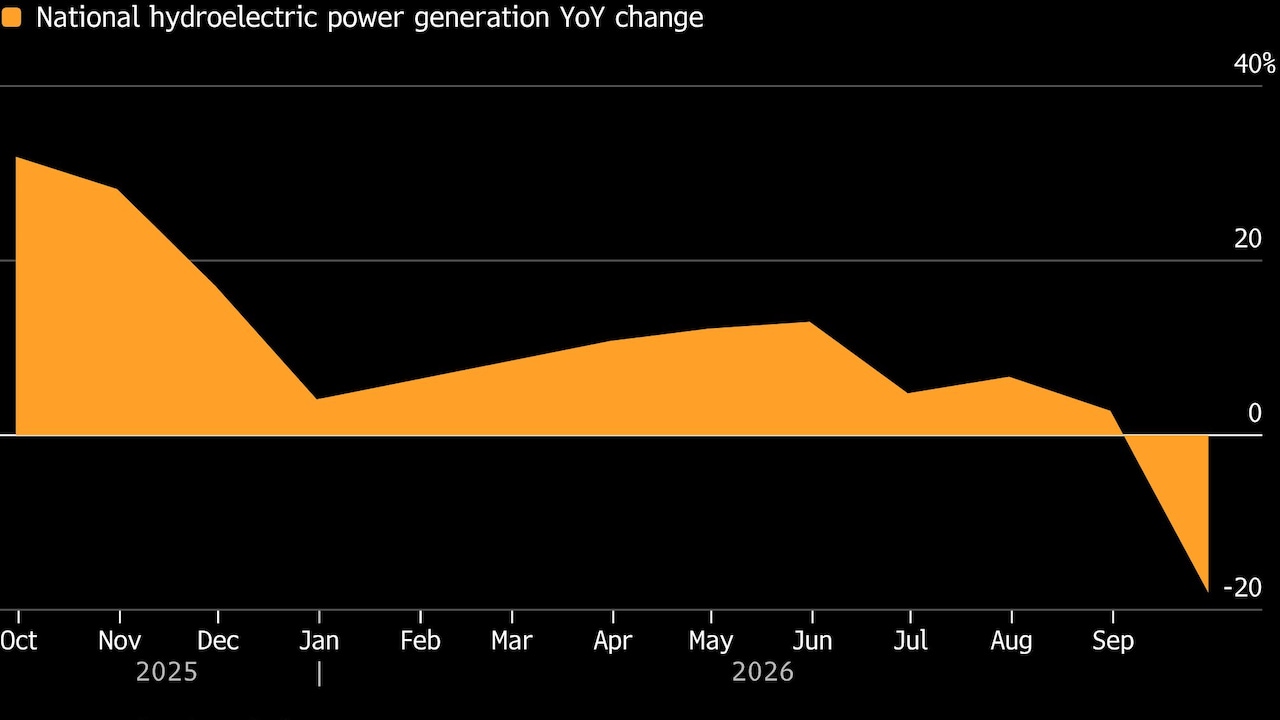
The electricity-hungry province reported a 7.7% increase in usage in the first nine months of 2026, according to the local grid, after hitting a record in August as air-conditioners were cranked up to deal with the summer heat. The end of the year should bring even more demand for power from industry. ALSO READ | El-Nino Could Be Unprecedented In Strength, Cause Record Pacific Temperature Rise: WMO The upshot is that spot electricity prices have more than tripled this month from a year earlier, climbing to about 810 yuan ($121) a megawatt-hour on Oct. 18, according to Rystad Energy AS. Rystad said Guangdong's hydropower imports fell sharply in October to 26 gigawatts, a drop of 19% from September and 28% below August's level, while wind output also declined. El Nino isn't the only constraint on power supplies. Seasonal maintenance at coal-fired and nuclear plants has also had an impact. The availability of coal generally has been hampered by the fallout from the Shanxi mine disaster in May. Liquefied natural gas, always a pricier option, isn't flowing freely because of the war in the Persian Gulf where so much production is based. Guangdong is particularly vulnerable to global supply disruptions because its power plants consume more gas than other regions, a legacy of its coastal location. While coal leads with around 30% of the province's power mix, natural gas isn't far behind at about 20%. Still, gas is now among the better options for power suppliers. Market RulesWhile coal generators are being used to deliver baseload power, gas plants are increasingly setting the market price by meeting demand during peak hours, said Rystad analyst Deng Simeng. Those elevated prices are likely to persist in the fourth quarter as the province's high-tech exporters gear up to fill Christmas orders, Galaxy Futures Co. said in a note. Conditions in Guangdong could also prompt a rethink of the rules governing market-based pricing. Local regulators have shielded households and industry from higher electricity costs by locking in most supply through bilateral annual contracts. However, traders buying power to meet those contracts have been been left heavily exposed to the surge in prices. While Guangdong's tight supply situation is manageable, regulators may have to revise the rules by reducing the share of mandatory fixed-rate contracts and allowing retail prices to reflect market fundamentals, said Sharon Feng, an energy consultant with E&C Group. About 60% of the province's 500 or so power retailers incurred losses from trading in the first half of the year, according to the Guangdong Power Exchange. ALSO READ | El Nino Impact: India Halts Sugar-Based Ethanol Procurement As Sugarcane Crop Shrinks In neighboring Guangxi, which supplies much of the hydropower in southern China, a group of state-owned retailers banded together last month to petition the government to suspend contracts that had become uneconomic, according to Caixin. |
(This story has not been edited by NDTV staff and is auto-generated from a syndicated feed.)
Essential Business Intelligence, Sharp Market Insights, Practical Personal Finance Advice, Daily Fuel, Gold and Silver Prices and Latest Stories — On NDTV Profit.