- Kristalina Georgieva warns AI could affect 40% of the global workforce, entry-level roles most at risk
- India faces serious impact with 26% of jobs exposed to AI-driven disruptions annually
- AI exposure may reach 60% in advanced economies, urging urgent government preparation
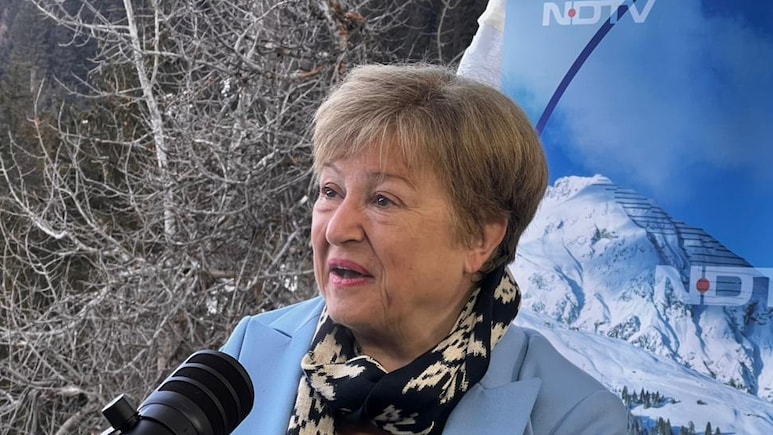
International Monetary Fund Managing Director Kristalina Georgieva has warned that artificial intelligence and AI‑driven technological disruptions could affect an estimated 40% of the global workforce, with entry‑level roles being the most vulnerable. India will be among the major countries dealing with a serious impact with millions entering the workforce every year.
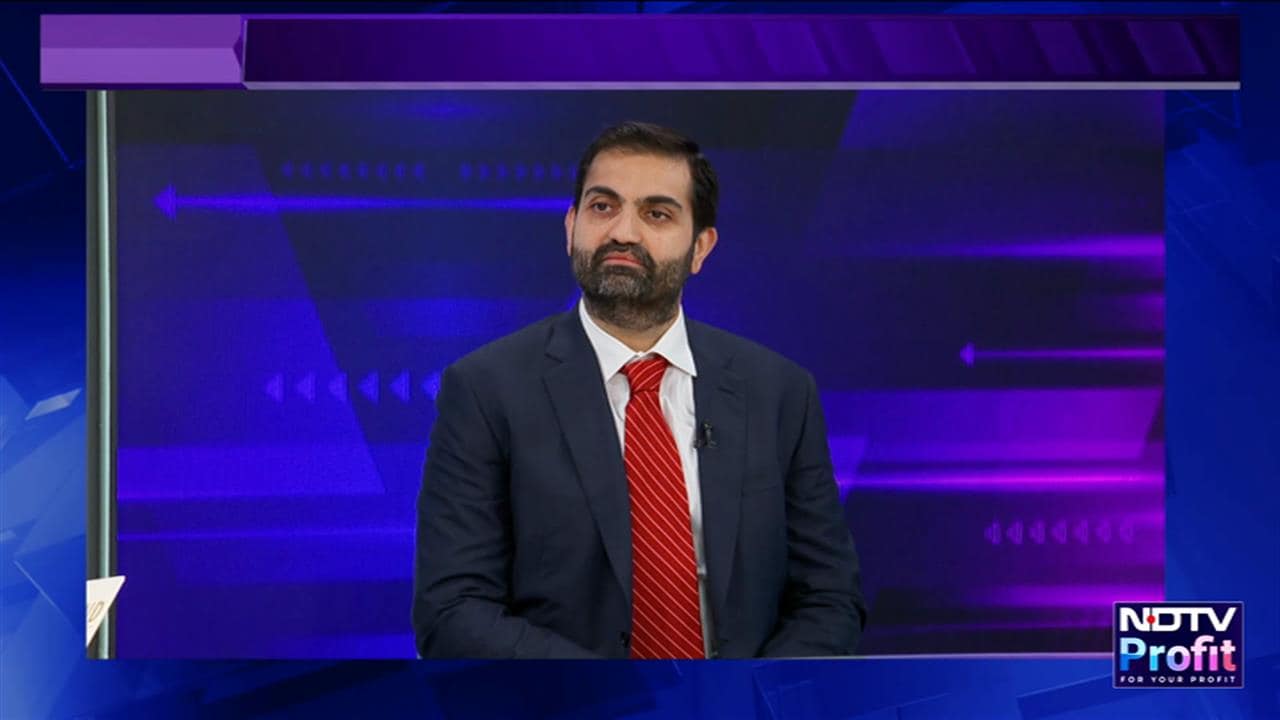
In an interview with NDTV on Friday, the IMF chief said the scale of the shift will be like a "tsunami hitting labour markets". Citing IMF‑supported studies, Georgieva said that the exposure to AI could rise to as much as 60% in advanced economies, while India's impact level is expected to be around 26%. These figures, she said, highlight how urgently governments need to prepare their populations for the AI‑driven economy. This includes not only acquiring new capabilities but also developing the flexibility to adapt these skills across changing job requirements.
According to her, the category most at risk is entry‑level jobs, many of which involve tasks that can be automated. This, she noted, raises serious concerns for young graduates entering the workforce. "We are already falling behind in building the policy frameworks necessary to prepare people for this transformation," she said.
Georgieva said rapid automation pose a significant challenge for policymakers, but if managed well, AI could contribute an additional 0.7% to India's annual GDP, helping the country move closer to its long‑term growth ambitions.
Speaking at the India AI Impact Summit, she praised Prime Minister Narendra Modi's efforts toward democratising AI and said that India has made important structural reforms. She pointed to improvements in taxation and labour markets, which she believes have made the economy more competitive and better prepared for the AI era.
Georgieva emphasised that India is generating opportunities across sectors, supported by public digital infrastructure and a strong digital identity ecosystem. Comparing India today with the India she visited 10–15 years ago, she described the country as more dynamic and open to economic possibilities.
Going forward, she said, the biggest priority should be reforming the education system for the AI economy — not just in terms of teaching technical skills but in fostering adaptability, openness and the ability to learn continuously. She also emphasised the need for global cooperation, saying that countries must work together and learn from each other to navigate the changes AI will bring.
"We are not helpless," she said. "Policies can help us adapt to the world of AI — but it will require focus, collaboration, and commitment."
ALSO READ: 'You Won't Need Jobs By 2050': Investor Vinod Khosla On Impact Of AI
Essential Business Intelligence, Continuous LIVE TV, Sharp Market Insights, Practical Personal Finance Advice and Latest Stories — On NDTV Profit.